Recognizing the signs of gambling addiction A guide to recovery and awareness
Understanding Gambling Addiction
Gambling addiction, also known as compulsive gambling, is a serious condition that affects individuals from all walks of life. It is characterized by an overwhelming urge to gamble despite the negative consequences that may arise. Individuals suffering from this addiction often find themselves trapped in a cycle of hope and despair, believing that the next bet will bring them financial relief, even as they lose more money and face personal and social challenges. Many enthusiasts may turn to online casinos to satisfy their urges, but this can further complicate their situation.
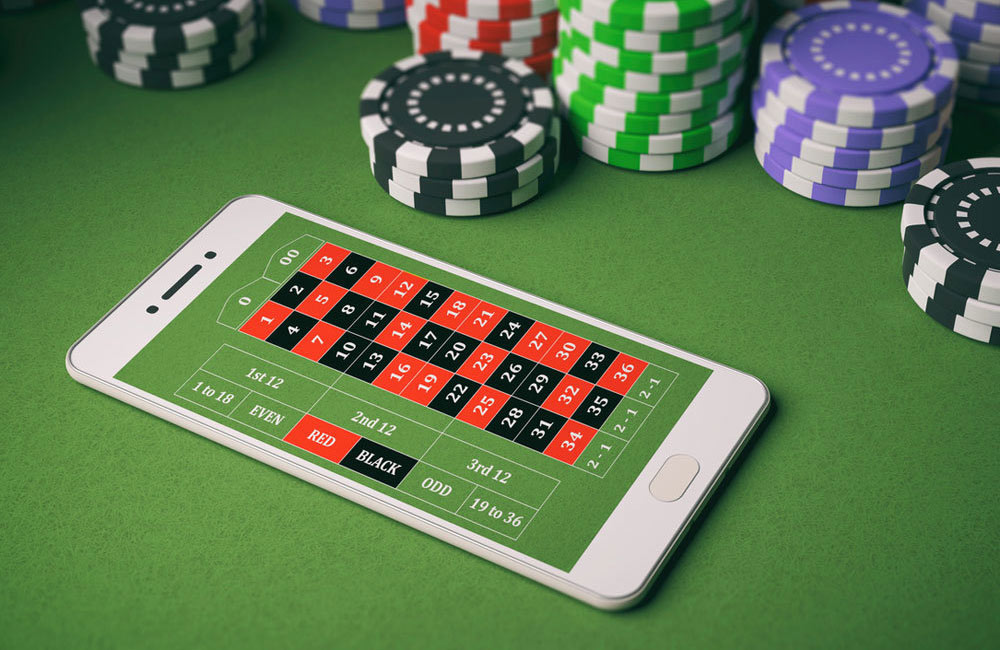
Recognizing gambling addiction is crucial for early intervention. Common signs include preoccupation with gambling, increasing amounts of time spent on gambling activities, and neglecting personal responsibilities. Emotional distress related to gambling, such as anxiety and irritability, can also signal a deep-rooted issue.
Signs and Symptoms
The symptoms of gambling addiction can vary widely among individuals, but there are several key indicators that can help identify the problem. One major sign is lying about gambling activities. Those struggling with addiction may conceal their gambling habits from friends and family, leading to isolation and strained relationships.
Additionally, a noticeable change in behavior can be a significant red flag. If a person begins to gamble more frequently or wager larger amounts than they can afford, it often indicates a problem. Emotional changes, such as feelings of guilt or depression after gambling, can further highlight the seriousness of the situation.
The Impact of Gambling Addiction
The effects of gambling addiction extend beyond the individual and can have significant repercussions on relationships, careers, and overall well-being. Financial strain is one of the most immediate concerns, as gambling can lead to debts, bankruptcy, and loss of savings. This financial pressure often results in increased stress and anxiety, which can, in turn, lead to further gambling as a misguided attempt to recover losses.
Moreover, the social implications can be devastating. Family members often suffer emotionally and financially, and friendships can deteriorate as the addicted individual prioritizes gambling over personal connections. In extreme cases, gambling addiction can lead to legal issues or loss of employment due to neglected responsibilities.
Steps to Recovery
Recovery from gambling addiction is a journey that requires commitment and support. The first step is acknowledging the problem and seeking help, whether through therapy, support groups, or counseling. Professionals trained in addiction can provide tailored strategies to manage triggers and develop healthier coping mechanisms.
Additionally, creating a support network is essential. Engaging with friends and family who understand the challenges of addiction can significantly enhance the recovery process. Some individuals may benefit from structured programs, such as Gamblers Anonymous, which offer a community of peers facing similar struggles.

Find Resources and Support
For those seeking information about gambling addiction and recovery, there are numerous resources available online. Various websites offer comprehensive guides, articles, and forums where individuals can learn more about the signs of addiction and find support networks. These platforms often provide valuable insights into responsible gambling practices and strategies for recovery.
Whether you are personally affected by gambling addiction or are looking to support someone in need, these resources can serve as a vital starting point. Educating yourself about the signs and consequences of gambling addiction is the first step towards fostering awareness and promoting healthy habits.
