
Understanding the psychological motivations behind gambling behavior
The Thrill of Risk and Reward
Gambling often attracts individuals due to the exhilarating thrill associated with risk-taking. The potential for a significant payoff can activate the brain’s reward system, creating feelings of pleasure similar to those experienced in other rewarding activities. This dopamine release can lead to a euphoric state, making players crave more of the adrenaline rush, thereby driving them back to gamble despite the potential for loss. If you wish to explore further, click this to understand more about how uncertainty in games of chance adds to the excitement and compels individuals to engage in gambling behavior.

The excitement of gambling is often enhanced by the idea of winning big. Players frequently envision how winning could change their lives, fostering a sense of hope and possibility. This hope can be especially appealing for individuals facing financial difficulties or personal challenges, as the dream of a better life fuels the motivation to participate in gambling activities like the Uwin33 casino. As a result, the combination of risk and reward becomes a powerful psychological motivator that can lead to compulsive gambling habits.
Moreover, many gamblers find themselves caught in a cycle of chasing losses. This behavior occurs when players believe that if they keep gambling, they can win back what they have lost. This mindset can lead to significant financial and emotional consequences. Understanding this psychological trap is crucial for addressing problematic gambling behaviors, especially when playing at an online casino, and finding healthier outlets for excitement and risk.
The Social Aspect of Gambling
Gambling is often a social activity, providing opportunities for individuals to interact and bond with others. Many people participate in gambling not just for the potential monetary gain but also for the camaraderie it fosters. Casinos, online platforms, and poker nights with friends create environments where social connections are strengthened. This community aspect can make gambling more appealing, as individuals associate it with positive social experiences, leading to repeated behaviors.
Furthermore, social pressure can play a significant role in gambling behavior. Individuals may feel compelled to participate in gambling activities to fit in or gain acceptance within a social group. The desire to belong can override the awareness of risks associated with gambling. For instance, someone may participate in a game at a Uwin 33 casino simply because their friends are involved, disregarding their own reservations about gambling. This dynamic can perpetuate gambling behaviors and lead to increased risks of addiction.
Lastly, the rise of online casinos has transformed social gambling interactions. Virtual platforms allow players to connect with others across the globe, often fostering a sense of community. While these interactions can enhance the enjoyment of gambling, they can also contribute to problematic behaviors, as the anonymity of online environments may lead to increased spending and risk-taking without immediate social consequences.
The Influence of Cognitive Biases
Cognitive biases significantly influence gambling behavior. One common bias is the illusion of control, where gamblers believe they can affect the outcome of games, especially those of chance. This misconception can encourage individuals to engage in gambling, thinking they possess skills or strategies that will lead to winning. For example, a player might believe they can predict the outcome of a slot machine due to their past experiences, leading to continued play despite losses.
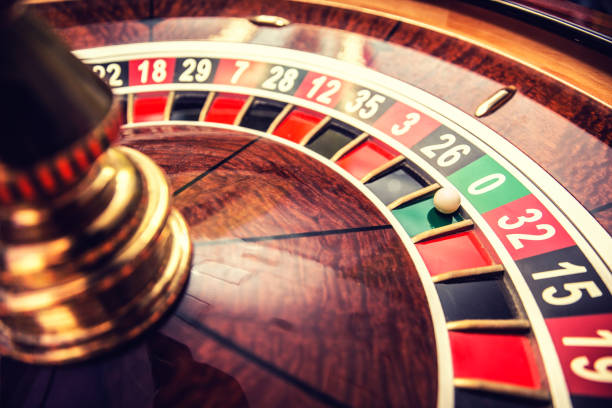
The gambler’s fallacy is another cognitive bias that affects decision-making. It occurs when individuals mistakenly believe that past outcomes will influence future results. For instance, if a particular number hasn’t come up in a roulette game, a player may feel that it’s “due” to appear soon, prompting them to place more bets. This flawed reasoning can drive individuals deeper into gambling, often leading to further losses and addiction.
Additionally, the concept of near-misses plays a crucial role in motivating continued gambling. When players experience outcomes that are close to winning, such as just missing the jackpot, their brains often react as if they have won. This can create a sense of false hope, prompting them to gamble more in pursuit of the elusive win. Recognizing these cognitive biases is essential for understanding the psychological mechanisms behind gambling behavior.
The Role of Emotional States
Emotions significantly impact gambling behavior, influencing how individuals engage with games of chance. For many, gambling serves as an escape from negative emotions such as stress, anxiety, or depression. The immersive nature of gambling can provide temporary relief from life’s challenges, allowing individuals to momentarily forget their problems. However, this coping mechanism can quickly escalate into a reliance on gambling, where individuals use it to avoid dealing with their emotions, leading to a destructive cycle.
Conversely, positive emotions can also drive gambling behavior. Celebrating a victory or experiencing feelings of joy may encourage individuals to gamble as a way to enhance their happiness. When someone wins, it often reinforces their gambling behavior, creating a positive feedback loop that encourages repeated participation. Understanding the interplay between emotions and gambling is vital for developing strategies to address problematic behaviors and promote healthier coping mechanisms.
Furthermore, emotional regulation is crucial in gambling contexts. Individuals who struggle to manage their emotions may be more susceptible to impulsive gambling behavior. Learning to recognize triggers and developing emotional management strategies can help mitigate the risks associated with gambling. This awareness is essential for those looking to cultivate healthier habits and reduce the likelihood of developing gambling-related issues.
Uwin33 Casino: A Balanced Approach to Gambling
Uwin33 recognizes the importance of understanding the psychological motivations behind gambling behavior. By fostering a responsible gaming environment, the platform encourages players to engage in gambling mindfully. Uwin33 provides resources for players, including information about responsible gambling practices and tools to help manage their gaming activities effectively. This commitment to player well-being helps create a safer space for those looking to enjoy the thrill of gambling without the pitfalls of addiction.
The platform also emphasizes the social aspect of gambling, offering features that allow players to connect with others while gaming. By promoting a community-focused environment, Uwin33 enhances the social experience of gambling, enabling players to enjoy their time while being aware of their emotional and financial limits. This balanced approach helps players make informed decisions about their gambling habits, reducing the risk of developing problematic behaviors.
Ultimately, Uwin33 aims to provide a comprehensive understanding of gambling’s psychological dimensions. By acknowledging the motivations and factors influencing gambling behavior, the platform empowers players to engage in a healthy and enjoyable gaming experience. This holistic perspective not only enhances user satisfaction but also contributes to a responsible gambling culture.
