
The fascinating journey of gambling through history
The Origins of Gambling
The history of gambling can be traced back thousands of years, with evidence found in ancient civilizations such as Mesopotamia, China, and Egypt. In these societies, gambling was often linked to various religious and cultural practices. Archaeological findings indicate that dice, made from animal bones, were used in games of chance, suggesting that gambling was a prevalent pastime among early humans, particularly in contexts like new casino sites not on gamstop, where modern practices have evolved.

As civilizations evolved, so did the nature of gambling. The Chinese, for instance, developed a variety of games that involved betting, and during the Han Dynasty, it is believed that the first lottery was established. Gambling was not just a form of entertainment; it also played a significant role in the social fabric of these ancient cultures, providing a means for people to come together and engage in friendly competition.
Gambling in the Middle Ages
The Middle Ages marked a pivotal period for gambling, as games began to take on more formalized structures. During this time, various gambling activities, including card games and dice games, gained popularity across Europe. The introduction of playing cards in the 14th century transformed the landscape of gambling, leading to the emergence of new games that captivated the masses.
However, the Church viewed gambling with suspicion, often denouncing it as sinful. Despite these challenges, gambling flourished in clandestine settings, such as taverns and private gatherings. The tension between the Church and gambling led to a rich tapestry of myths and misconceptions, many of which continue to influence public perception of gambling today.
The Rise of Modern Gambling
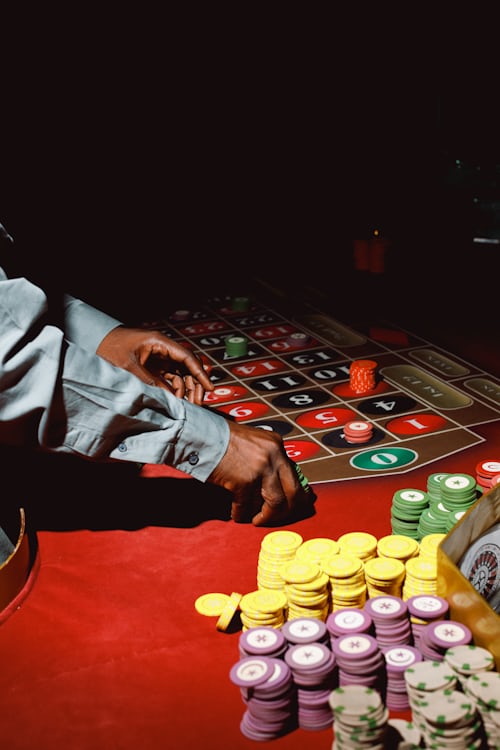
The 18th and 19th centuries heralded the rise of modern gambling as we know it. The establishment of official casinos and betting houses in cities like Monte Carlo and Las Vegas created a more structured environment for gambling enthusiasts. During this time, innovations such as roulette and poker emerged, attracting a diverse range of players and establishing gambling as a major industry.
Additionally, the advent of gambling regulations aimed to curb illegal activities and protect players. These regulations helped to legitimize gambling, allowing it to thrive and become a staple in entertainment worldwide. The popularity of gambling continued to grow, leading to the creation of iconic events, such as horse racing and sports betting, which further embedded gambling into popular culture.
Gambling in the Digital Age
The turn of the 21st century brought about a technological revolution that dramatically transformed the gambling landscape. The internet opened new avenues for gambling, giving rise to online casinos and betting platforms that made gambling more accessible than ever. Players could now gamble from the comfort of their homes, engaging in a myriad of games at their fingertips.
This digital shift not only increased participation but also prompted significant discussions around regulation, security, and responsible gambling. The rapid growth of online gambling has led to both opportunities and challenges, with debates surrounding addiction and the need for protective measures becoming increasingly relevant in public discourse.
About Safer Glasgow
Safer Glasgow is a dedicated platform committed to enhancing the security and performance of online interactions, particularly in the realm of gambling. By utilizing advanced protective services, Safer Glasgow aims to safeguard users against potential cyber threats while providing a safer browsing experience. As gambling continues to evolve, the importance of secure platforms cannot be overstated.
In an era where digital gambling is on the rise, Safer Glasgow plays a crucial role in educating users about safe practices and promoting a responsible gambling environment. As this fascinating journey of gambling through history unfolds, platforms like Safer Glasgow ensure that participants can engage in gaming activities safely and responsibly.
