
Rebuilding life after gambling addiction strategies for lasting recovery
Understanding Gambling Addiction
Gambling addiction, also known as compulsive gambling, is a condition that affects individuals’ ability to control their gambling behavior. It often leads to severe emotional and financial distress. Recognizing the signs of gambling addiction is the first step toward recovery. Signs may include increased secrecy, lying about gambling habits, and neglecting responsibilities. In the process of recognizing these issues, players can also seek fun activities like the ice fishing game to divert focus. Understanding these symptoms can provide clarity and motivation for those looking to change their lives.

Moreover, it’s essential to comprehend the psychological aspects behind the addiction. Many individuals gamble to escape stress, anxiety, or depression. Identifying these triggers can be instrumental in developing healthier coping mechanisms. Acknowledging the problem is a courageous step, and it sets the foundation for rebuilding a fulfilling life free from gambling.
Creating a Support Network
Establishing a support network is crucial in the journey to recovery. This network can include family, friends, and professionals who understand the challenges of gambling addiction. Open communication with loved ones fosters a sense of accountability and encouragement. It’s vital to surround oneself with positive influences who can provide emotional support during difficult times.
Additionally, joining support groups such as Gamblers Anonymous can offer shared experiences and insights that can be transformative. Engaging with others who face similar struggles can reduce feelings of isolation and increase the sense of community, making the recovery process more manageable.
Developing Healthy Coping Mechanisms
In the aftermath of gambling addiction, developing healthy coping mechanisms is essential for lasting recovery. Individuals must find alternative activities that provide satisfaction and joy without the risks associated with gambling. Hobbies such as sports, art, or volunteering can fill the void and redirect focus toward positive outcomes.
Mindfulness practices, including meditation and yoga, can also be beneficial. These techniques help in managing stress and anxiety, allowing individuals to process their emotions in a healthy way. By incorporating these practices into daily life, former gamblers can create a robust emotional toolkit that supports their recovery journey.
Setting Realistic Goals
Setting realistic and achievable goals is a fundamental part of rebuilding life after gambling addiction. These goals provide direction and purpose, helping individuals focus on their future rather than dwelling on past mistakes. It’s important to break down larger objectives into smaller, more manageable tasks, which can lead to a sense of accomplishment and motivation to continue moving forward.
Regularly reviewing these goals can keep individuals on track and allow for adjustments as needed. This ongoing reflection encourages personal growth and self-awareness, key components of a sustainable recovery journey. By celebrating small victories, individuals can maintain momentum and reinforce their commitment to a healthier lifestyle.
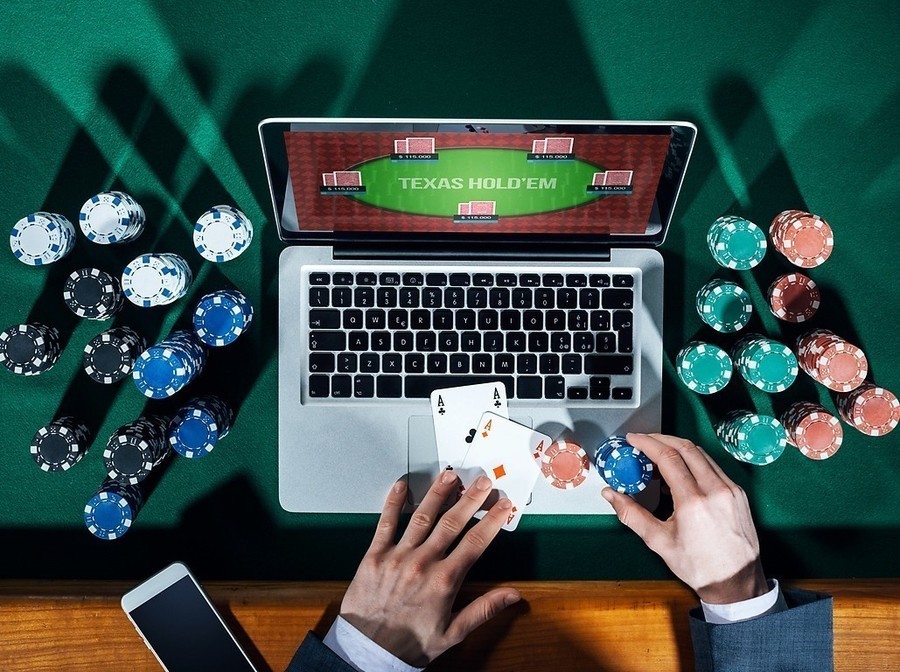
Exploring Online Resources for Recovery
There are numerous online resources available for individuals recovering from gambling addiction. These platforms offer valuable information, support, and tools to aid in the recovery process. From online counseling to forums where individuals can share their experiences, the internet provides a wealth of resources that can make a significant difference in one’s journey.
Additionally, engaging with websites dedicated to gambling addiction recovery can provide educational content and strategies for managing urges. These resources can empower individuals to take control of their lives and remain committed to their path of recovery. Embracing these online tools can be a pivotal step towards achieving lasting recovery.
